
Garage Door Opener Not Working? Try These Fixes First
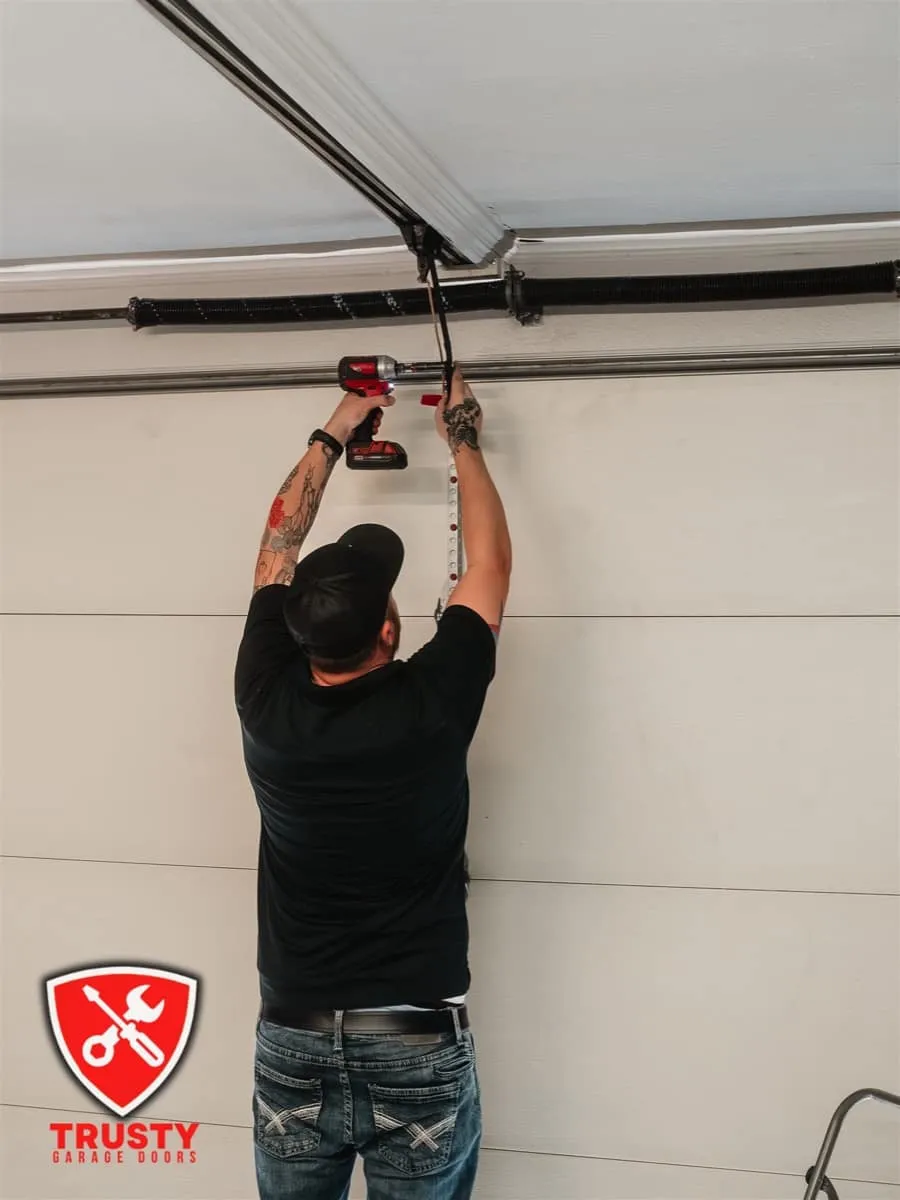
There’s nothing quite like pulling into your driveway after a long Texas day, hitting the remote, and… nothing. The door just sits there. Before you assume the worst (and the biggest bill), take a breath. A surprising number of “broken” garage door openers are actually simple fixes you can knock out yourself in about ten minutes.
I’ve been repairing garage doors across Dallas-Fort Worth for over a decade, and I’d guess close to half the opener calls we get start with something a homeowner could’ve sorted on their own. So here’s the honest, no-pressure rundown of what to check first.
Start With the Obvious (No, Really)
I’m not being condescending here. These are the things even seasoned techs check first because they’re the most common culprits.
- Is the wall button working but the remote isn’t? That points to the remote, not the opener.
- Does the opener motor hum or click but the door won’t move? That’s usually mechanical, not electrical.
- Is there a storm or power flicker recently? DFW thunderstorms trip breakers and fry circuit boards more often than people realize.
Knowing which of these is happening tells you where to look next.
Check the Power
Walk over to the opener unit on the ceiling and look for the light. No light? Make sure the unit is actually plugged in (kids, ladders, and stored holiday bins knock these loose constantly), then check your breaker panel. Garage circuits are notorious for sharing with outdoor outlets, so a tripped GFCI from a sprinkler or pressure washer can kill your opener too.
If you’ve got power to the outlet but the opener is dead, that’s a sign the control board may have taken a hit — common after our summer storm season.
The Remote and Keypad Fixes
If the wall button opens the door just fine but your remote or keypad won’t, the opener itself is healthy. Good news.
Try a fresh battery. Garage remotes sit in hot cars all summer, and Texas heat murders batteries fast. Swap it before anything else.
Re-program the remote. Most openers have a “Learn” button on the motor unit. Press it, then press your remote within 30 seconds. Your owner’s manual (or a quick search of your opener brand and model) has the exact steps. Keypads reprogram the same way.
Clear the area around the antenna. That little wire hanging off the motor is the antenna. If it’s been tucked up or broken, range drops to almost nothing.
When the Door Reverses or Won’t Close
This one trips up a lot of folks. If your door starts to close then immediately goes back up, your safety sensors (photo eyes) are almost always the problem. These two small units sit about six inches off the ground on either side of the door.
Check for:
- A blinking or unlit LED on either sensor (solid lights on both means they’re aligned and happy)
- Dust, cobwebs, or a stray garage spider web blocking the lens — super common in Texas garages
- A sensor knocked out of alignment by a bike, trash can, or lawn equipment
Wipe the lenses gently with a soft cloth and nudge them until both lights glow steady. That alone fixes a huge share of “won’t close” calls.
The Door Is Heavy or Stuck — Stop and Look Up
Here’s where I want you to slow down. If the opener runs but struggles, grinds, or the door feels like it weighs a ton, the problem usually isn’t the opener at all — it’s the springs or the door hardware. Your opener only does a fraction of the lifting; the springs do the rest.
Pull the red emergency release cord and try lifting the door by hand. If it won’t budge or slams down, you very likely have a broken spring. Do not keep forcing the opener — you’ll burn out the motor on top of the spring repair. A snapped spring is a job for a pro with the right tools; it’s the single most dangerous part of a garage door. We cover that over on our garage door spring replacement page.
Same goes if the door looks crooked or the rollers have jumped the rail — that’s an off-track door, and running the opener makes it worse.
A Quick Reset Can Work Wonders
Like any computer, opener control boards occasionally just need a reboot. Unplug the unit for 30 seconds, plug it back in, and try again. It sounds too simple, but I’ve seen it clear up phantom glitches more times than I can count.
If you’ve got a smart opener (myQ, etc.), check the app and your Wi-Fi too — a dropped connection can make it seem dead when it’s just offline.
When to Call a Pro
You’ve earned the right to call after you’ve tried the above and the door still won’t cooperate. Reach out if:
- The motor hums but nothing moves (likely a stripped gear or bad capacitor)
- You suspect a broken spring or cable
- The board is dead after a storm
- The door is off its track or visibly bent
A real diagnosis beats guessing and throwing parts at it. You can read more about what we look at on our garage door opener repair page, and if you want a ballpark before anyone shows up, check our garage door repair prices or run our instant price calculator for honest numbers with no games.
The Bottom Line
Most opener hiccups come down to power, batteries, sensors, or a quick reset — all things you can check yourself. But when it’s a spring, cable, or fried board, that’s where calling a background-checked repair tech saves you time, money, and a smashed thumb.
Tried the fixes and still stuck? Give us a call at (214) 624-6348 or grab an instant estimate online. No pressure, no bait-and-switch — just a straight answer from your neighbors here in Plano.
Nick founded Trusty Garage Door Repair in Plano and has spent 10+ years fixing garage doors across Dallas–Fort Worth. He still takes calls, still runs jobs, and writes these guides the way he explains things in a customer's driveway — straight, no upsell. Read Nick's story →
One tap tells Google you trust our guides, so they show up more in your own search results and AI answers.