
How to Choose a New Garage Door for Your Texas Home
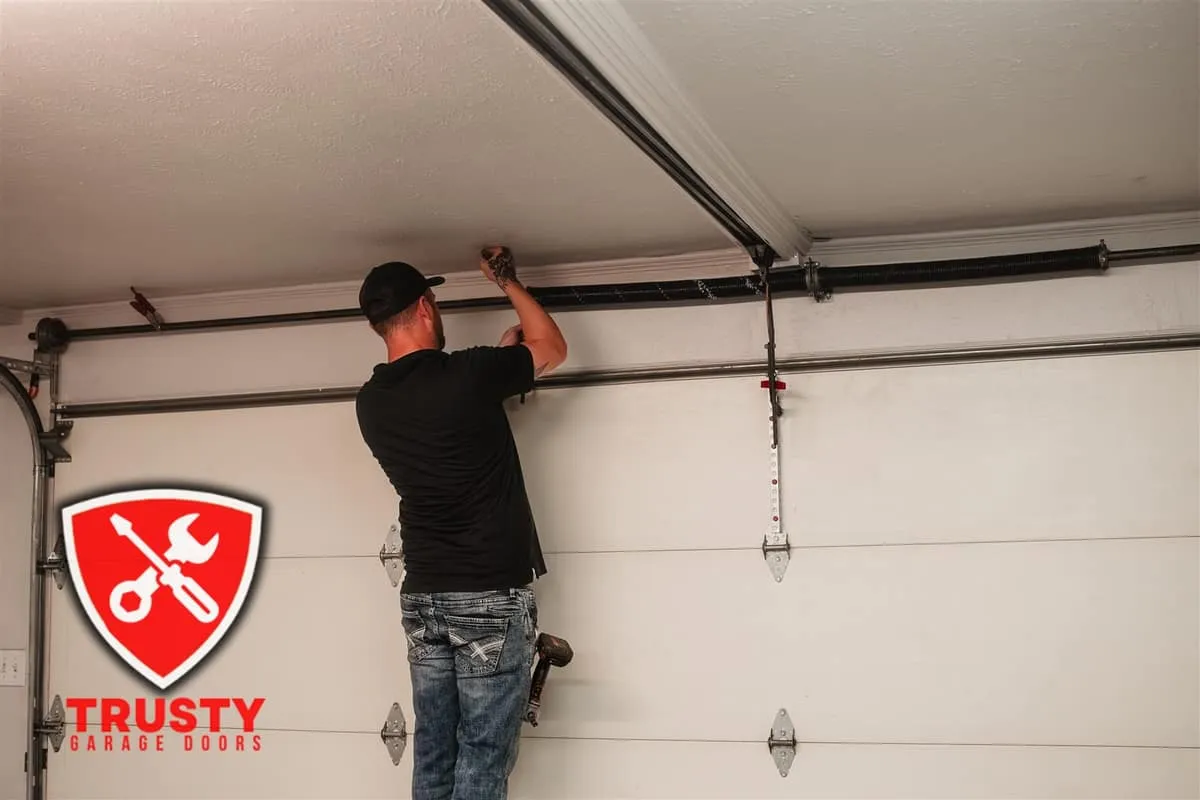
Your garage door is the biggest moving part of your house, and in most Dallas-Fort Worth homes it’s also the single largest thing people see from the street. So when it’s time to replace one — whether the old one finally rusted out, got dinged by a storm, or you just want the curb appeal — it’s worth slowing down and choosing well. A good door can last 20-30 years here. A cheap, wrong-for-Texas door can be a headache in five.
I’ve installed and repaired doors all over DFW for years, so here’s how I’d walk a neighbor through the decision — no pressure, no upselling.
Start With What Your Climate Actually Demands
Texas is hard on garage doors in ways a lot of homeowners don’t think about until something fails.
- Heat. Our summers regularly push attached garages past 110°F. That heat cooks lubricant, stresses torsion springs, and warps cheap steel and vinyl. (It’s also a big reason garage door spring replacement is one of the most common calls we get.)
- Storms and hail. Spring storms roll through with hail and 60-70 mph gusts. A door’s wind rating and dent resistance genuinely matter, especially on west- and south-facing homes that take the brunt of it.
- Temperature swings. A 100°F afternoon followed by a cold front overnight makes materials expand and contract. Solid, well-built doors handle that cycling; flimsy ones rack and bind.
Keep all three in mind as you look at materials.
Pick the Right Material
This is the decision that affects everything else — price, maintenance, insulation, and how it holds up to our weather.
Steel
The workhorse of DFW, and what I install most. Steel is affordable, low-maintenance, and comes in single, double, and triple-layer construction. For Texas, I almost always steer people toward an insulated double- or triple-layer steel door — the extra layers add rigidity (fewer dents from hail and basketballs) and real insulation against the heat.
Composite and Faux Wood
If you love the look of wood but not the upkeep, composite overlay doors give you that carriage-house or modern-wood appearance without warping, rotting, or repainting every couple of years. Great middle ground for our humidity and sun.
Real Wood
Beautiful, premium, and high-maintenance. Texas sun and moisture swings are tough on natural wood — expect to reseal and refinish regularly. Gorgeous on the right home if you’re committed to caring for it.
Aluminum and Full-View Glass
Modern, light, and popular on contemporary builds. Aluminum frames with glass panels look fantastic, but glass does little for insulation, so think hard before putting one on a west-facing garage you actually use.
Don’t Skip Insulation (R-Value)
In our climate, insulation isn’t a luxury — it’s comfort and lower energy bills, especially if your garage shares a wall with the house or you’ve got a bedroom or office above it.
Insulation is measured in R-value — higher means better. A bare single-layer steel door is roughly R-6 or less. A good polyurethane-insulated door can hit R-12 to R-18+. If your garage is attached, used as a workshop or gym, or has living space nearby, spend the extra money on polyurethane insulation. You’ll feel the difference in August.
Match the Style to Your Home
DFW neighborhoods run the gamut — traditional brick, modern farmhouse, contemporary, Spanish-influenced. The door should fit the house, not fight it.
- Traditional raised-panel — safe, classic, works on almost everything.
- Carriage house — that barn-door look, huge on farmhouse and craftsman homes right now.
- Modern flush or full-view — clean lines for contemporary builds.
Pay attention to window placement, hardware accents, and color as you compare garage door styles. A simple swap from a builder-grade white door to a rich, well-matched design can transform a front elevation. And check your HOA rules before you fall in love with something — a lot of DFW communities have approved color and style lists.
The Stuff People Forget
A door is a system, not just panels. A few things worth asking about:
- Springs. Torsion springs (mounted above the opening) last longer and are safer than extension springs. Ask about the cycle rating — a 10,000-cycle spring is standard, but 20,000+ is worth it if you go in and out a lot.
- Wind load rating. Important for storm country. Worth the upgrade on exposed homes.
- Insulated vs. not on the opener side. A heavier insulated door may need the right opener and properly sized springs to run smoothly. If you’re keeping your existing opener, make sure it’s matched — see our notes on garage door opener repair if yours is already on its last legs.
- Warranty. Read what’s actually covered — panels, hardware, springs, and labor are often warranted differently.
Get the Install Right
Even the best door performs badly if it’s installed wrong. Proper spring sizing, level tracks, and correct balance are what make a door quiet, safe, and long-lasting. This is genuinely not a great DIY project — torsion springs are under enormous tension and cause serious injuries every year. Use techs who handle garage door installation every day, balance the door properly, and stand behind the work.
A Realistic Word on Budget
Price depends on size (single vs. double), material, insulation, windows, and hardware — so anyone quoting you a firm number sight-unseen is guessing. For a quick, honest ballpark before you ever talk to a person, run your details through our garage door price calculator. And if your current door is just damaged rather than done, sometimes a repair makes more sense than a full replacement — repair pricing usually runs a fraction of a new door.
Choosing a new door comes down to three honest questions: Does it stand up to Texas weather? Does it fit your home and budget? And is it installed by someone who’ll do it right? Nail those and you’ve got a door that’ll serve you for decades.
Want a hand thinking it through? Call Trusty Garage Door Repair at (214) 624-6348 for straight answers, or grab an instant estimate from the price calculator — no pressure, no bait-and-switch.
Nick founded Trusty Garage Door Repair in Plano and has spent 10+ years fixing garage doors across Dallas–Fort Worth. He still takes calls, still runs jobs, and writes these guides the way he explains things in a customer's driveway — straight, no upsell. Read Nick's story →
One tap tells Google you trust our guides, so they show up more in your own search results and AI answers.