
Dallas Garage Door Repair From People Who Know the City
Your door picks the worst moment to die. Usually it's a 105-degree August afternoon, and the last person you want on the phone is somebody reading a script in another state. We're local. Nick started Trusty back in 2020 as a one-truck Dallas operation, and we built it into a full DFW crew the slow, honest way: showing up the same day, sending our own background-checked techs instead of whatever subcontractor was available, and telling you the price before we start instead of after. Nick's been turning wrenches on these doors for over a decade, and it shows in how fast he can spot what's actually wrong.
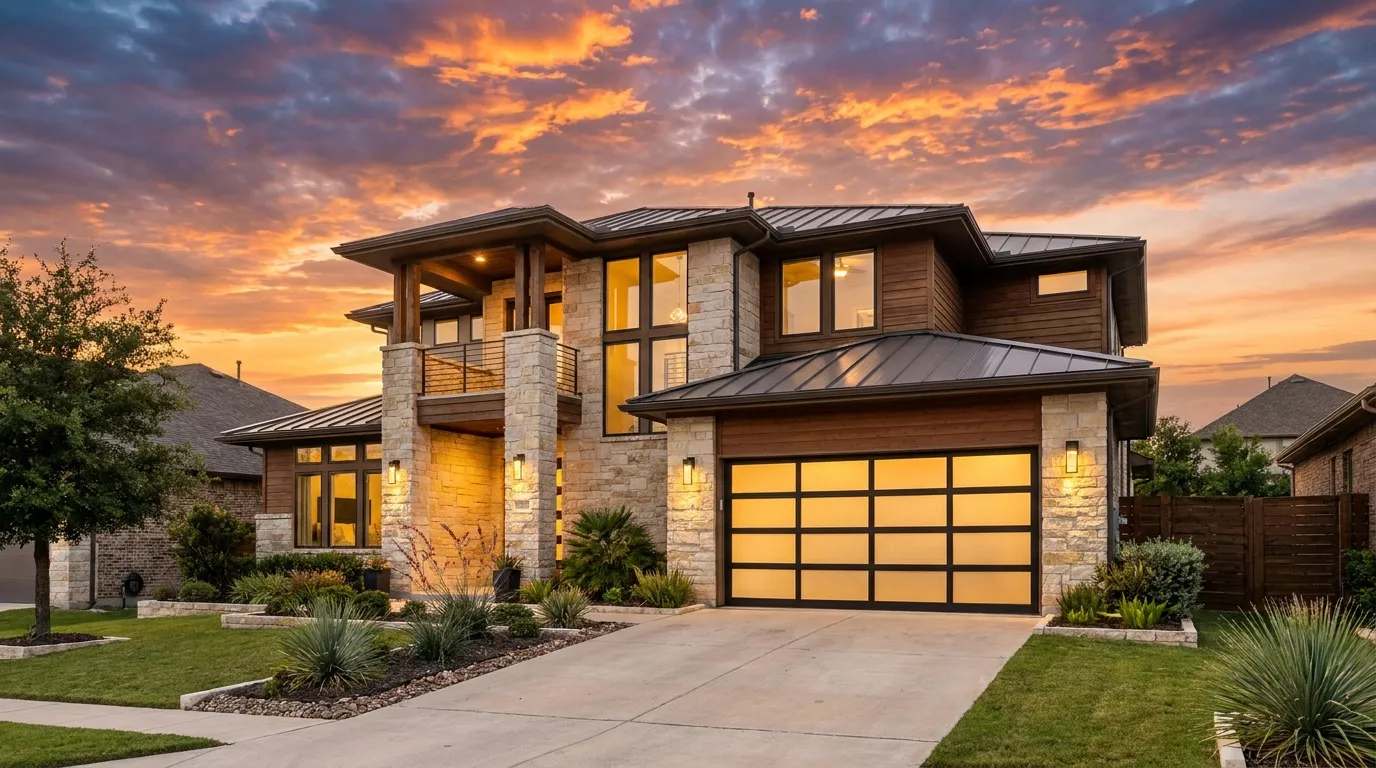
Dallas houses are all over the map, and so are the ways they break. We'll be coaxing an off-track door back onto its rails on a 1920s Tudor in the M Streets one hour and swapping a snapped torsion spring on a brand-new build up in Far North Dallas the next. Broken springs, frayed cables, an opener that just sits there blinking, rollers that sound like a freight train, a door knocked sideways after a storm rolled through. We've seen your version of it. We'll diagnose it straight and warranty the parts and labor so you're not calling us back about the same thing in six months.
Here's a pattern that catches a lot of Dallas homeowners off guard: the clay soil under a huge chunk of this city swells up in the wet months and shrinks back in the dry ones, and over the years that slow push racks a garage door frame right out of square. A door that opened clean last spring starts dragging on one side, binding at a corner, or refusing to seal flat against the slab. You feel it most in the older pockets — Lakewood, the M Streets, the bungalow streets of Oak Cliff — because those frames have been riding the seasons for the better part of a century. Before we quote you anything, we figure out whether it's the frame, the track, the rollers, or the spring, so you're paying to fix the thing that's actually wrong.
Most of what we find in Dallas is a repair, not a replacement, and we'll tell you straight when that's the case. A snapped spring, a frayed cable, a tired opener, a set of worn rollers — those are same-day fixes right out of the truck, and they can buy a solid older door in Preston Hollow or Casa Linda many more good years for a fraction of what a new door runs. We only bring up replacement when the sections are rusted through, delaminating, or so beat up that patching them keeps costing you. Either way, the parts we install and the labor behind them are warranty-backed, so if something we put in fails inside the coverage window, we come back and make it right at no charge. The people standing behind the work are our own techs, not a subcontractor you'll never see again.
Neighborhoods We Serve in Dallas
Why Dallas Garage Doors Fail
Dallas is really a dozen little cities stacked together, and the door trouble tracks right along with the architecture. The old pockets like Lakewood, the M Streets, and chunks of Oak Cliff are full of 1920s-to-1940s Tudors and craftsman bungalows, and a lot of those still hang heavy wood doors that lean hard on springs and openers that were never built for that weight. Drive north to Far North Dallas or the edges of Lake Highlands and it flips to tall double-car insulated steel, where the springs have to be sized right or the door won't lift safe. Two things really chew through doors here, though. One is the summer heat that fatigues spring steel and slowly cooks opener boards. The other one most folks never think about: the clay soil under half this city swells and shrinks with the seasons, which racks door frames out of square over the years. That's why a door that was fine last spring suddenly drags and binds on one side. We sort out which of those it actually is before we quote you a thing.
Common Garage Door Problems We Fix in Dallas
Torsion Springs Worn Out by Heavy Doors and Heat
A garage door only feels light because the torsion spring above it does nearly all the lifting. Dallas throws two things at that spring at once: the weight of the door and the heat of the summer. The old wood doors on the Tudors in Lakewood and the M Streets are genuinely heavy, and the tall insulated steel double doors up in Far North Dallas aren't far behind — every cycle winds real load onto the coil. Then a run of 100-degree afternoons fatigues the steel faster than most people expect. When a spring finally gives, it usually goes with a loud bang, and the door turns into dead weight that no opener and no person should be hauling up. The giveaway is a visible gap in the coil above the door, often paired with a door that lifts a few inches and quits. On a two-spring setup we replace both at once — the survivor has the exact same mileage and rarely lasts long after its twin lets go — and we size up to a spring rated for your door's real weight.
Spring replacement in Dallas →Opener Dead or Ignoring Every Remote
When the opener on the ceiling goes silent or stops answering remotes, the fix ranges from a two-minute reset to a new logic board, and the whole point is figuring out which before you spend anything. In a lot of Dallas homes the opener is the same one the builder or a past owner hung years ago, so age alone is often the story — a fried board, a failed capacitor, or surge damage from one of our spring thunderstorms rolling across DFW. But plenty of times it's simpler: a tripped GFCI outlet, the vacation-lock button bumped on the wall console, or just dead remote batteries. We test the actual point of failure first, so you're not buying a new opener when a quick repair would do — and we'll say so either way. If it truly is the unit, we'll walk you through a straight replacement, and steer you toward a quiet belt-drive if a bedroom sits over the garage.
Opener repair in Dallas →Door Off Its Track or Hanging From a Frayed Cable
The lift cables running down each side of your door stay under constant tension, and Dallas's swing from summer heat to winter cold works those steel strands hard, year after year, until one frays and snaps — usually right at the bottom bracket. When it goes, the door drops on that side and sits cocked in the opening. The other common cause in a busy two- or three-car garage is simply clipping the door with a bumper. There's also a quieter Dallas culprit: as the clay soil racks an older frame out of square, the door starts riding the track crooked and works a roller loose over time. Whatever started it, the most important thing is to stop pressing the opener button — every cycle grinds the rollers further off the track and bends parts that were straight. Leave the door where it sits and give us a call. We reset the track, replace the cables and rollers, and check that the door runs square again in a single trip.
Off-track door repair in Dallas →Grinding, Popping, or a Hard Bang When It Moves
Specific noises point to specific failures, and it pays to read them right instead of just spraying lubricant at everything and hoping. A steady grind while the door travels is usually rollers dragging dry in the track or a worn drive gear chewing itself up inside the opener. A sharp pop each time the door starts moving often traces to a spring binding on its shaft or a failing end-bearing plate. A hard bang partway through travel can mean a bent track section catching a roller, or on the older Dallas homes, a frame that's shifted with the clay soil so the door no longer runs true. On the heavy wood and insulated doors common around here, these problems snowball — every worn part makes the opener strain harder, which wears the next part faster. We find the actual source instead of guessing, fix it, and quiet the whole system down while we're already up on the ladder.
Garage door tune-up in Dallas →Door Reverses or Won't Close in the Evening
If your door starts down and then throws itself back open, the safety sensors near the floor are almost always in the mix. Sometimes they're doing their job and catching a real obstruction; more often they're misaligned from a bumped bracket, a kicked wire, or a lens fogged with dust and cobwebs. Dallas has a version of this that fools a lot of people: a west-facing garage with no tree cover catches low, direct sun in the late afternoon, and that light floods the photo eye until it swears something's blocking the door. So a door that closes fine at noon but refuses at six isn't possessed — it's sun-blind. We align the sensors, shield or reroute them where the sun's the real problem, and replace the wiring if it's been chewed up. Then we run the door through a full cycle over and over to make sure it closes clean at any hour before we pack up the truck.
Fix sensor problems in Dallas →Hail Dents and Storm Damage on Door Panels
North Texas hail doesn't spare Dallas, and the garage door usually takes more of a beating than anything else on the front of the house. On an insulated door those dents are more than cosmetic — the outer steel skin is bonded to a foam core, and a hard enough hit can break that bond and cost the section its rigidity, which then loads the springs and opener harder on every cycle. After a storm rolls through Lake Highlands or Casa Linda, we come out and sort which sections are genuinely compromised versus just cosmetically dinged. If you're filing an insurance claim, we document the damage clearly so you've got what the adjuster needs. Then we give you a straight answer on whether a single panel swap does the job or a new door actually makes more sense — and we won't nudge you toward the bigger ticket if the smaller fix holds up. Most storm calls end with a panel or two replaced, not the whole door.
Panel and door replacement in Dallas →Worn Builder-Grade Rollers and the Tune-Up
A lot of Dallas doors came with the cheapest rollers the builder could buy — plastic wheels with no real bearings, rated for far fewer cycles than the door itself. Add the North Texas summer baking an unshaded garage all day, drying out the lubricant and hardening the bottom seal, and that hardware wears out well ahead of schedule. You'll usually hear it before you see it: a door that's gotten louder and rougher over the last year. An annual tune-up is the cheap insurance against a stuck-door morning. We swap the tired rollers for quiet nylon ones, tighten every hinge and bracket that's rattled loose, check the door's balance, and eyeball the springs and cables for wear before any of it strands you in the driveway. On the older homes where clay-soil shift has nudged the frame, we catch the binding early too. It's the simplest visit we do, and it's the one that keeps the door just working, quietly, day after day.
Book a Dallas tune-up →What We Repair in Dallas
- Garage Door Repair
- Garage Door Spring Replacement
- Opener Repair & Installation
- Off-Track Door Repair
- New Garage Door Installation
- Maintenance & Tune-Up
- Emergency & Same-Day Service
- Garage Door Cable Repair
- Garage Door Roller Replacement
- Garage Door Track Repair
- Garage Door Panel Replacement
- Commercial Rolling Steel Door Repair
- Commercial Sectional Door Repair
- Commercial Door Operator Repair
- Loading Dock Equipment Repair
- High-Speed Door Repair
- Fire-Rated Door Repair & Drop Testing
Garage Door Brands We Service in Dallas
Our Dallas techs repair and install every major garage door and opener brand — tap yours to learn more.
Trusty Garage Door Repair Prices in Dallas, TX
These are Trusty Garage Door Repair’s own prices for garage door service in Dallas, TX — the same ranges our price calculator gives, with your exact price confirmed in writing before any work begins.
| Service | Typical price |
|---|---|
| Broken spring replacementOne spring $349–$438; two springs $447–$687. Springs are $149–$249 each by gauge, plus $149–$189 labor; single-spring jobs start at $349. | $349–$687 |
| Garage door opener repairRepairs to the motor, gears, logic board, remotes or sensors on your existing opener. | $89–$299 |
| Garage door opener installationFinal price depends on horsepower, belt vs. chain, and smart Wi-Fi features. | $479–$1,200 |
| Cable or roller repairFrayed or snapped cables and worn rollers that make the door lag or hang crooked. | $150–$389 |
| Off-track door repairDoor back on its tracks and adjusted — depends on the hazard level and labor needed. Bent or damaged track only: $120–$320. | $249–$549 |
| New garage door installationMeasured and quoted at no charge, old-door haul-away included. | Free in-home estimate |
| Emergency / after-hours serviceAfter-hours service call for homes, with commercial properties at the higher rate. Our line answers 24/7, and the repair itself is quoted upfront before any work. | $89 service call ($249 commercial) |
| Service call & diagnosticA tech diagnoses the real problem; the fee comes off if you have the repair done. | $49 — waived with any repair |
I had a great experience with Taylor T. from Trusty Garage Door Repair. He was professional, punctual, and clearly very knowledgeable. He thoroughly explained the issue and walked me through the repair step by step, which gave me a lot of confidence. He even offered practical guidance on maintaining my door to prevent future problems. Absolutely recommend.
Frequently Asked Questions
Can you really get to my place in Dallas the same day?+
Almost always, yes. We keep technicians and fully stocked trucks across the DFW metro, so whether you're in Lakewood, Oak Cliff, or up near Far North Dallas, we can usually be out the same day — and we run 24/7 for true emergencies like a door stuck open overnight. Call (214) 624-6348 and we'll give you an honest arrival window.
My springs keep breaking — is it the Texas heat?+
Heat is a big part of it. Dallas summers put garage springs through brutal expansion and contraction cycles, and a spring that's undersized for a heavy door wears out faster. When we replace a broken torsion spring we make sure it's properly rated for your specific door's weight, which is the real fix for the constant breakage. We'll show you what we're installing and stand behind it with a warranty.
What does a garage door repair cost in Dallas?+
You get the exact price before we start — that's the rule on every Dallas job. Spring replacements are our most common repair, and most land in a predictable range depending on the size and weight of your door; a heavy wood door on an old Lakewood Tudor needs a different spring than a builder-grade steel one up in Far North Dallas. There are no trip-charge games and no surprise add-ons at the end. The number we quote in your driveway is the number on the invoice.
My opener works but the door is loud enough to wake the whole house — can that be fixed?+
Almost always, yes, and it's one of our favorite fixes in Dallas's two-story homes where a bedroom sits right over the garage. Usually the racket is worn rollers dragging dry in the track, loose hardware that's rattled itself over the years, or an old chain-drive opener that was never going to be quiet in the first place. New nylon rollers, a full tune-up, and — if you want it — a belt-drive opener swap will make the door dramatically quieter the same visit. We'll tell you which of those actually matters before you spend a dime.
My door starts to close, then reverses back open on its own — what's wrong?+
Nine times out of ten it's the safety sensors down near the floor. They sit a few inches off the slab on each side, and a bumped bracket, a kicked wire, or even cobwebs across the lens is enough to make the door think something's in the way. In Dallas we also see low afternoon sun flooding a photo eye on west-facing garages, which fakes the same reaction. We realign, clean, or rewire the sensors so the door closes reliably morning and evening, and we run it through a full cycle a dozen times before we call it done.
My door's pushing twenty years old — should I repair it or just replace it?+
Usually it's worth repairing, and we'll be honest with you when it isn't. If the sections are straight and rust-free, new springs, rollers, or an opener can give an older Dallas door — the kind common in Lakewood or Preston Hollow — many more years for a fraction of replacement cost. Replacement starts making sense when panels are rusted through or delaminating, when you're calling us about the same door over and over, or when you want the insulation and quiet of a modern one. We give you both numbers and let you decide, no pressure either direction.
Do you warranty your garage door work in Dallas?+
Yes — every repair we do in Dallas is backed by a warranty covering both the parts we install and our labor. If something we put in fails within the coverage period, we come back and make it right at no charge and no runaround. It's all spelled out on your invoice before we leave, so you know exactly what's protected and for how long. And because our techs are in-house employees rather than subcontractors, the people standing behind the work are us, not some third party you can't get back on the phone.
Recent Garage Door Jobs in Dallas
No stock photos — every picture below is a real Dallas job our own techs finished, added automatically as the work happens.


